Full toilet fitting for close-coupled, back-to-wall and wall-hung units. Jay Plumbing Heating & Drains provides local service across Twickenham with straightforward advice, fixed prices and same-day availability where possible.
Toilet Installation jobs are rarely just about swapping one part and leaving. A proper visit starts with checking the wider system, confirming what caused the fault and making sure the repair or installation suits the property.
Full toilet fitting for close-coupled, back-to-wall and wall-hung units. In and around Twickenham, that often means working around older pipework, limited access or systems that have been altered over time. We keep the process simple: assess the job, explain the options, agree the price, then complete the work as neatly and efficiently as possible.
For urgent issues, calling is usually the fastest route. For planned work, we can advise on the most practical repair or replacement based on the condition of the existing system.
We cover Twickenham, Richmond, Whitton, St Margarets, Strawberry Hill, East Twickenham, Hampton, Teddington, Kingston upon Thames, Isleworth, Hounslow, Brentford, Kew and Feltham
Call 020 3519 7480 or email info@plumbers-twickenham.co.uk and we will talk through the job.
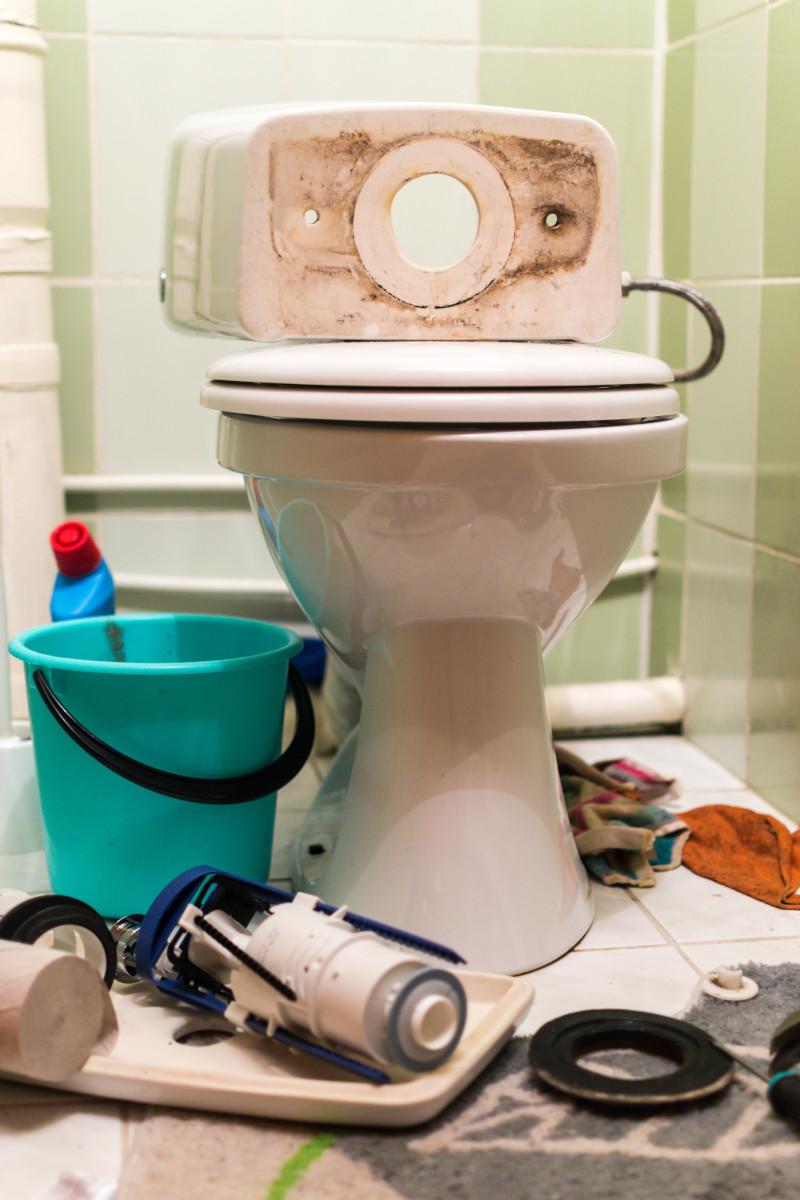
Installing a new toilet requires more than just bolting the pan to the floor and connecting the cistern. The soil pipe connection, pan connector, cistern inlet valve, flush mechanism, seat fitting and water supply isolation all need to be handled correctly for reliable, leak-free operation. Jay Plumbing Heating & Drains installs toilets of all types — close-coupled, back-to-wall, wall-hung, and compact — across Twickenham and the surrounding area.
Modern toilet designs offer significant improvements over older fittings in terms of water efficiency, cleaning ease and aesthetics. Dual-flush mechanisms typically use 4 to 6 litres per flush compared to 9 to 13 litres for older single-flush cisterns. For a household of four, upgrading to a modern dual-flush toilet saves thousands of litres per year — a meaningful reduction in water bills given Thames Water's charges in the area.
For wall-hung toilets — where the pan is mounted on a concealed frame and the cistern is hidden within the wall — the installation is more involved and requires a correctly specified frame, adequate structural support in the wall and careful waterproofing of the frame installation. We have experience with this type of installation in Twickenham bathrooms, including in properties with solid walls where frame fixings require different anchors.
Soil pipe connection — The toilet pan connects to the soil pipe via a pan connector. The correct connector type depends on the relative positions of the pan outlet and soil pipe inlet — P-trap, S-trap and adjustable connectors are available for different configurations. Getting this right ensures a leak-free, odour-free connection.
Floor fixing — Close-coupled and back-to-wall pans are fixed to the floor using either screws into the subfloor or with special feet for tiled floors where drilling would crack the tile. Stability is important — a pan that rocks can cause the soil pipe connection to fail over time.
Water supply connection — The cistern fill valve connects to the cold water supply. An isolation valve on the supply allows the cistern to be isolated without turning off the building's cold water supply. If an isolation valve is not present, we install one as part of the fitting.
Concealed cistern systems — For back-to-wall and wall-hung toilets with concealed cisterns, the cistern sits within a furniture unit or within the wall. Access for maintenance should be considered at installation stage — most designs include an access panel above the flush plate for valve servicing.
Seat fitting — Toilet seat hinges are available in top-fix and bottom-fix configurations to suit different pan designs. Soft-close seats require correct installation of the damping mechanism. We fit the seat correctly so it remains stable in use.
Waste connection — If the new toilet pan outlet is in a different position to the old one — common when switching from close-coupled to wall-hung, for example — the soil pipe may need to be extended or rerouted. We identify this in advance and include any required pipework in our quotation.
Replacing a like-for-like close-coupled toilet typically takes two to three hours. More complex installations such as wall-hung systems with concealed cisterns take longer — usually half a day to a full day depending on the cistern frame installation requirements. We will give you a realistic time estimate when you book.
Yes. We can remove and dispose of the old toilet as part of the installation. Please mention this when you book so we can plan for the disposal.
No. A correctly installed toilet should be completely stable. Wobbling indicates either that the floor fixing has not been completed correctly or that the floor is uneven and the pan feet need adjusting. Call us immediately if you notice wobbling — a rocking toilet can damage the soil pipe connection over time.
Yes. We install compact and short-projection toilets for cloakrooms and small bathrooms. We can advise on suitable models for very restricted spaces and handle any pipework adaptation needed to make them work in your specific room layout.
Fast repair of dripping taps, stiff handles, worn cartridges and leaking fittings.
Open page