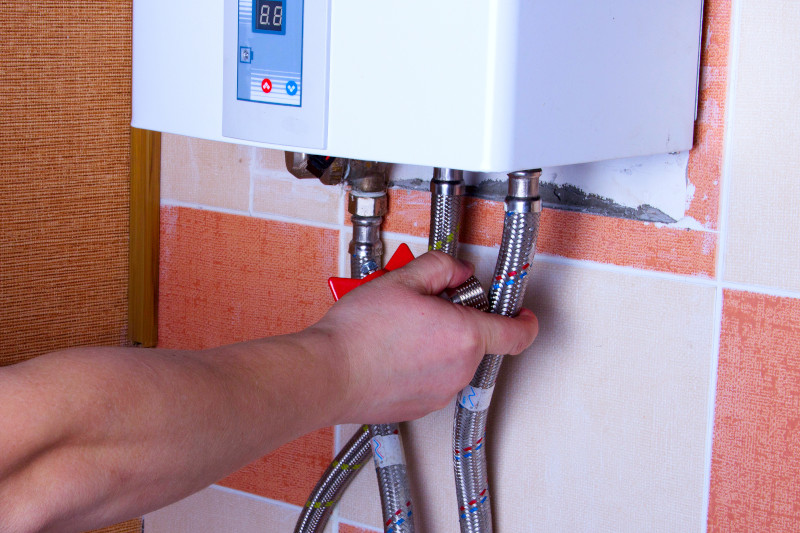
Whether you need a single radiator replaced, multiple new radiators fitted in an extension or conversion, or thermostatic radiator valves upgraded throughout the property, Jay Plumbing Heating & Drains provides radiator installation services across Twickenham and the TW1 postcode. We work on all radiator types including standard panel radiators, column and cast-iron radiators, electric radiators and heated towel rails.
Radiator installation encompasses a range of work from straightforward like-for-like replacement (removing an old radiator and connecting a new one to the existing pipework) to more complex projects involving new pipework runs for additional radiators in extensions, loft conversions, or rooms that were not previously heated.
For replacement radiators, the key decision is size. A radiator must have sufficient heat output — measured in BTUs or watts — to heat the room it serves to a comfortable temperature on the coldest likely day of the year. We calculate the required heat output based on room dimensions, construction (single or double glazing, insulation, ceiling height) and the boiler system pressure and flow temperature. Fitting an undersized radiator leads to persistent coldness in the room; fitting an oversized one wastes money on both the radiator itself and on energy.
In Twickenham's Edwardian houses, original cast-iron column radiators are still found in many properties. These are heavy, slow to heat but excellent at radiating stored heat after the boiler switches off. When replacing or supplementing these with modern radiators, we advise on matching outputs, appropriate connections and the aesthetic implications of mixing radiator styles. We also source and fit reproduction column and designer radiators for owners who wish to maintain a period aesthetic.
We cover Twickenham, Richmond, Whitton, St Margarets, Strawberry Hill, East Twickenham, Hampton, Teddington, Kingston upon Thames, Isleworth, Hounslow, Brentford, Kew and Feltham
Call 020 3519 7480 or email info@plumbers-twickenham.co.uk and we will talk through the job.
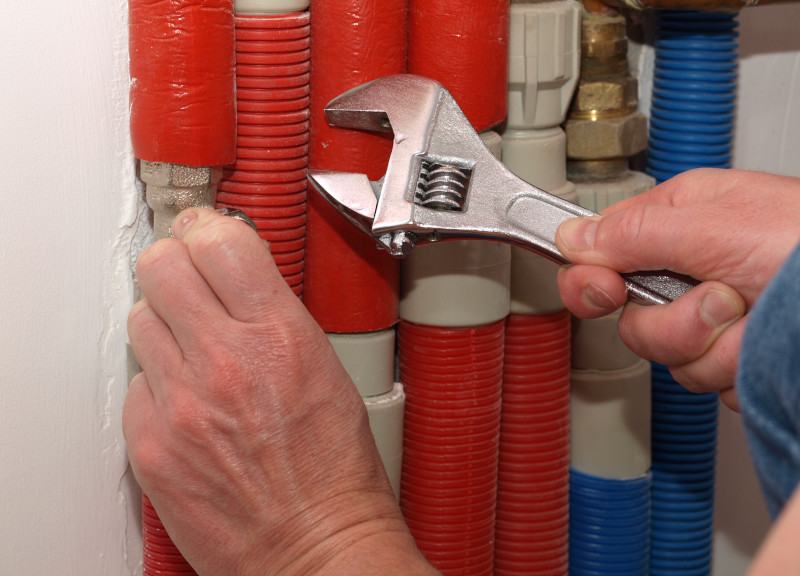
Cold radiators are one of the most commonly reported heating problems in Twickenham homes. The cause determines the solution, and diagnosing correctly before taking action saves both time and money. A radiator that is cold at the top but warm at the bottom has trapped air — it needs bleeding. A radiator that is cold at the bottom and warm at the top has settled sludge — this requires either a power flush of the system or, for a single radiator, manual flushing.
A radiator that is cold throughout while others in the system are heating normally has a different problem. The most common cause is a stuck or failed thermostatic radiator valve (TRV) — the valve has closed and is not opening to allow flow. TRV replacement is a simple repair that restores the radiator to full function. A lockshield valve that has been accidentally closed (they are easy to turn without noticing, particularly during decorating) can also cause a single radiator to be cold.
A radiator that leaks at the valve or from the body is usually either a valve seal failure or, in older radiators, corrosion that has penetrated the body. Minor valve leaks are straightforward to repair. Radiators with visible corrosion pinhole leaks on the body should be replaced rather than repaired — the corrosion will continue to progress and the radiator will fail again. We assess the condition of leaking radiators and advise on the most practical option.
Thermostatic radiator valve upgrades are a cost-effective heating efficiency improvement. Original TRVs on older systems may be stuck open — providing no zone control — or may be poorly calibrated and inaccurate. Replacing them with modern, accurate TRVs allows individual room temperature control, reduces wasted energy in rooms that do not need to be heated to full temperature (spare bedrooms, hallways), and improves overall system responsiveness.
After any radiator installation or replacement, and ideally after a power flush, the central heating system should be balanced. Balancing is the process of adjusting the lockshield valves on each radiator to distribute the flow of hot water equally across the system. Without balancing, radiators closest to the boiler receive disproportionately hot water and heat quickly, while radiators at the end of the circuit receive less flow and heat slowly or incompletely.
In Twickenham's older properties, where heating systems have often been extended incrementally over many decades — rooms added, boilers replaced, additional radiators installed — the original balance of the system has frequently been disturbed. A system that has never been properly balanced may have some rooms that are consistently too hot while others never reach a comfortable temperature, even when the boiler and all radiators are functioning correctly.
Balancing involves running the system and measuring the temperature difference between the flow and return on each radiator. The lockshield valve is adjusted to restrict flow to radiators that are running too hot, increasing flow to those that are running too cold, until the temperature differential across all radiators is approximately 10-12 degrees — the standard for a correctly balanced system.
Smart thermostatic radiator valves — products such as Tado, Nest, Drayton Wiser, and Hive — add a further level of control by allowing individual room temperature scheduling and remote control via smartphone. We install and commission smart TRV systems alongside conventional TRV replacement. The investment in smart controls typically pays back through reduced gas consumption within a few years, and the convenience of remote temperature management is an additional benefit.
Heated towel rails deserve a specific mention for Twickenham bathrooms. Many homes have electric towel rails that run independently of the central heating — these work but add to electricity bills. Connecting a towel rail to the central heating circuit (as a wet towel rail) is usually more economical over the long term, though it does require a valve and pipework connection. We advise on the most practical approach for each bathroom based on the access to the heating system.
Radiator size (output) is calculated based on the room's heat loss, which depends on the room's dimensions, the number of external walls, the type of glazing, ceiling height and insulation. As a rough guide, a well-insulated modern room of 12-15 square metres needs approximately 1,000-1,500 watts of radiator output. We calculate the required output for each room during a pre-installation assessment and recommend appropriate radiator sizes, rather than simply fitting whatever was there before.
In most cases, yes. The main requirement is that the existing boiler has sufficient output to heat the additional radiator alongside the existing ones. A simple calculation using the boiler's output and the total system radiator load confirms this. We also need to run new pipework from the nearest existing pipe run to the new radiator position. In most properties, this is a relatively straightforward task, though access behind walls or beneath floors varies by property.
A like-for-like radiator replacement with no pipework changes typically takes one to two hours including draining and refilling the relevant section of the system. A new radiator installation requiring new pipework run from an existing circuit takes two to four hours depending on access. We always leave the system pressurised, balanced and running correctly before leaving the property.
Yes. We can drain down the relevant section of the heating system, remove the radiator(s) for decorating, and reconnect and recommission them once decorating is complete. This is a straightforward service. It is usually more practical and less disruptive than attempting to paint or paper around a radiator in place.